History | Interesting Facts
History, Settlers, Interesting Facts,…
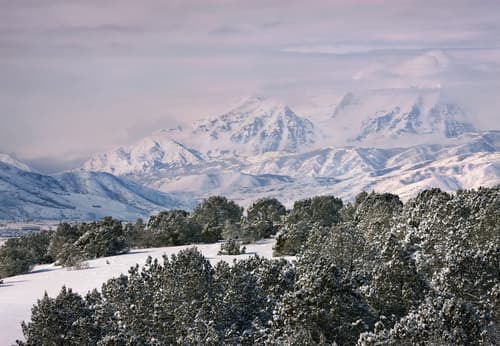
The great mountain peaks and lush valley of Wasatch County were once a secret known only by nomadic American Indian tribes. The first white men to walk the land were a pair of Spanish friars looking for a passage between Santa Fe, New Mexico and Monterey, Calif. It is said that Father Francisco Antanasio and Silverstre Velez de Escalanta travelled along the Strawberry River through Diamond Fork Canyon to the shores of Utah Lake. Although hunters and trappers soon followed along Indian trails in search of beaver and mink, no man considered this land home until after 1858, nearly ten years after Mormon settlers arrived in the Salt Lake Valley.

William M. Wall, George W. Dean, and Aaron Daniels began taming the wilderness in 1858 for the future settlers. Upon their arrival, however, they were surprised to find an encampment of men already plowing ground into fields. The five men were sawmill workers in Big Cottonwood Canyon who had decided one summer afternoon in 1857 to spend the day looking for a legend paradise land nestled in the tops of the Wasatch range. Did they find it? Absolutely!
In 1859, members of the Church of Jesus Christ of Latter-day Saints began the trek up Provo Canyon to the valley of the upper Provo River. When a massive snow slide threatened their progress, they disassembled their wagons and carried them to the other side and continued toward their goal. By late spring of 1860, more than 200 settlers were working in the valley.
The majority of new settlers were emigrants from England converted by Heber C. Kimball. To show their appreciation and respect for the great missionary, the settlers named the Provo River Valley after him. Heber City was incorporated in 1889.
Settling the new land was not easy. The struggles and challenges tested even the strongest pioneers. Determination, faith, and courage allowed them to succeed and lay the foundation of a beautiful and peaceful valley.
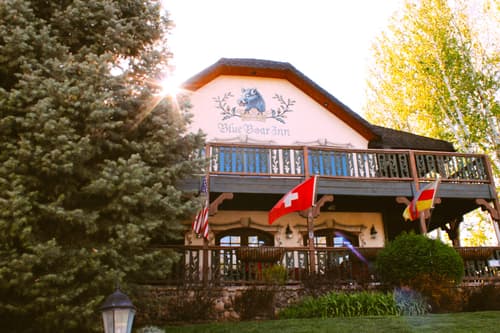
More settlers soon followed. The surrounding mountains reminded Swiss settlers of the Alps and by the 1880’s Swiss settlers were gathering in the valley. The Swiss immigrants left a strong heritage and tradition, a “little Switzerland” in today’s Midway. Swiss architectural details are found throughout the city. Each September, the annual two-day Swiss Days celebration attracts over 90,000 people.
Heber Valley continued as a farming, livestock, and dairy community for many years. Today, only a few farms and dairy producers remain. The valley supported a small mining industry for years until many companies closed in the late1970s. The current economy is supported by tourism. The county’s largest employers are the Wasatch School District, Wasatch County, the Homestead Resort, Zermatt Resort & Spa, and Heber City.
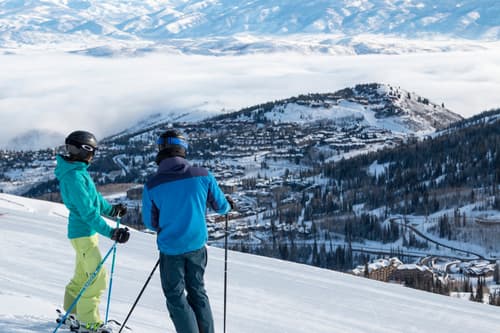
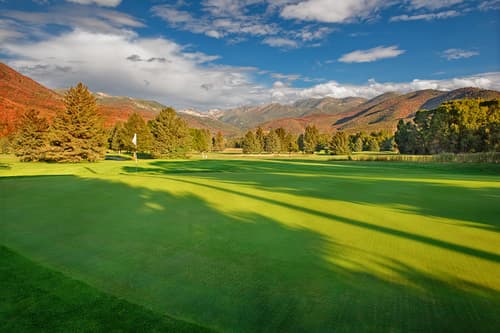
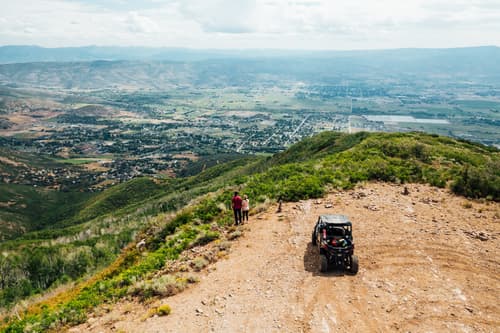
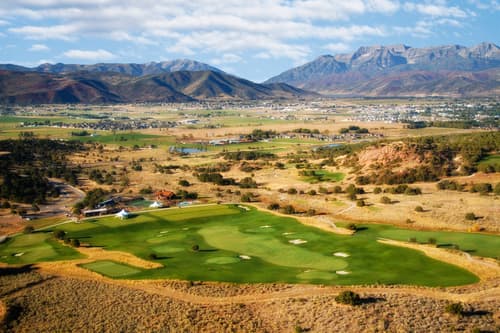
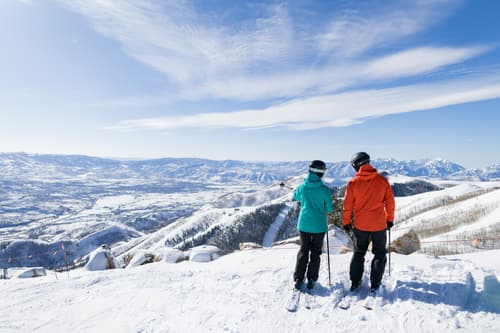
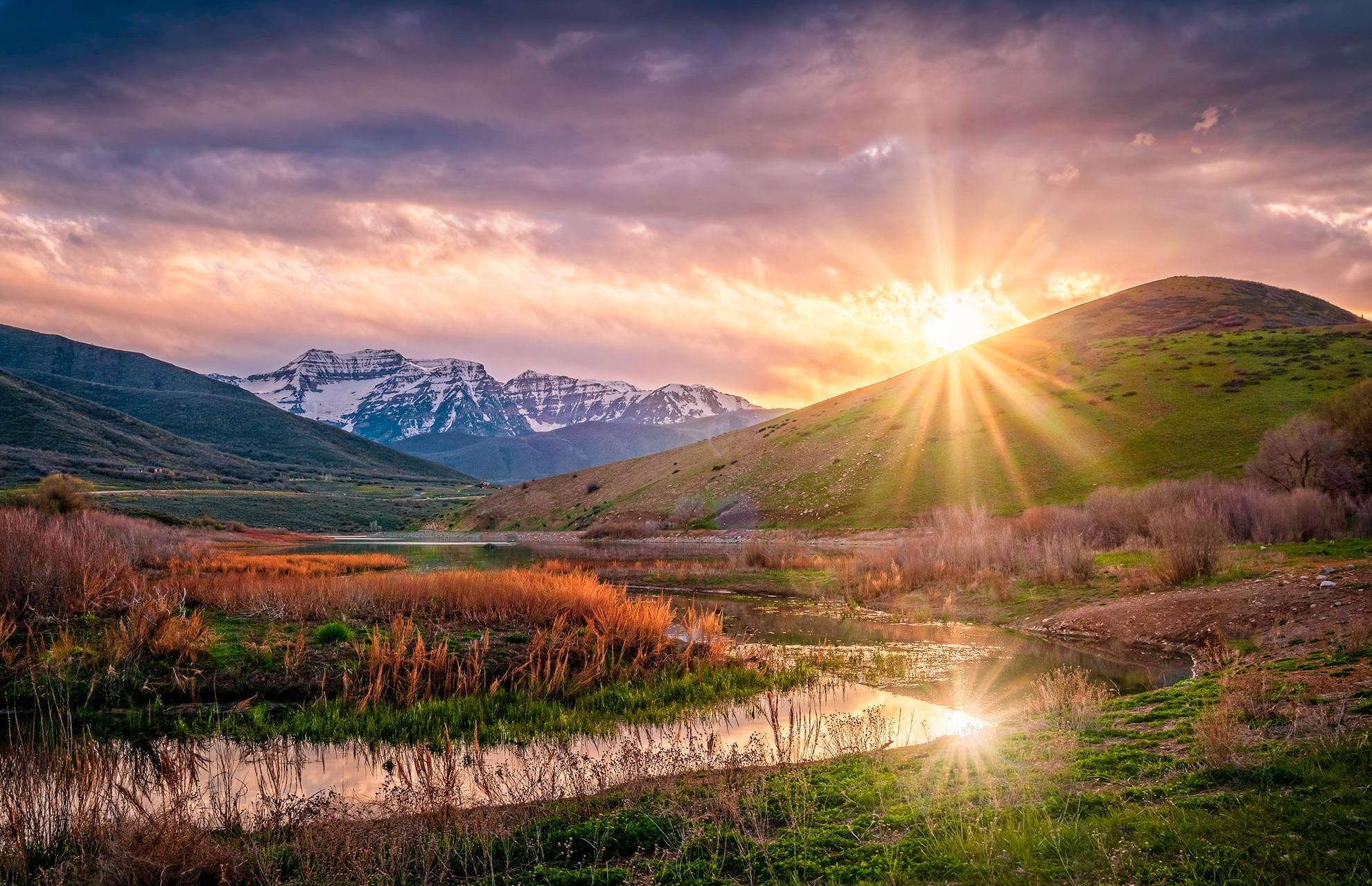
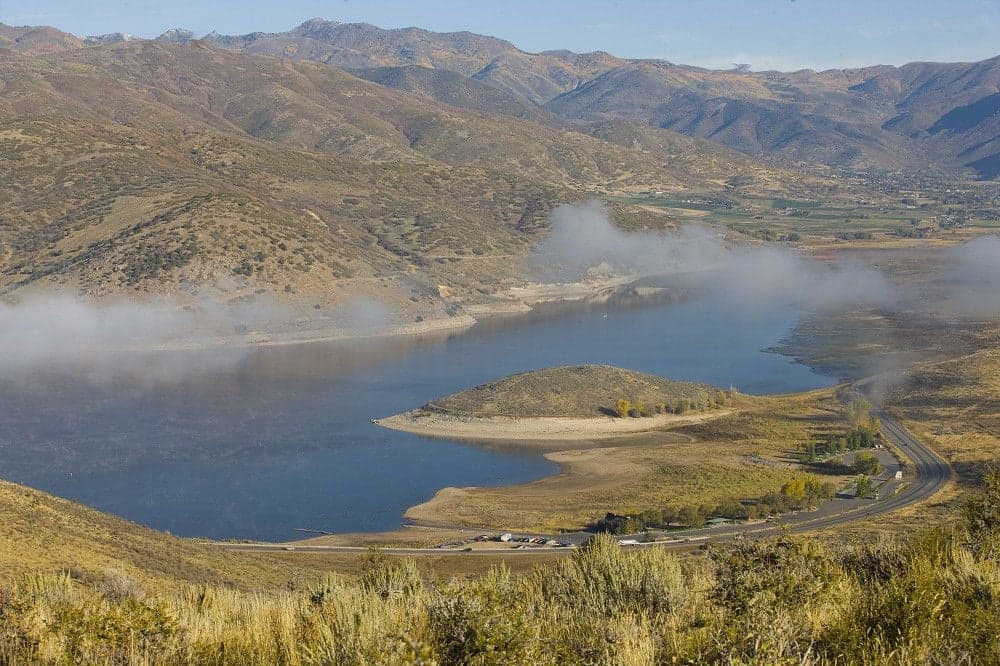
The snowcapped mountains and deep green valleys of this paradisiacal land wait to welcome you as they did settlers of old. Heber Valley’s rich heritage can be explored in events and celebrations, historic buildings, homes and museums.