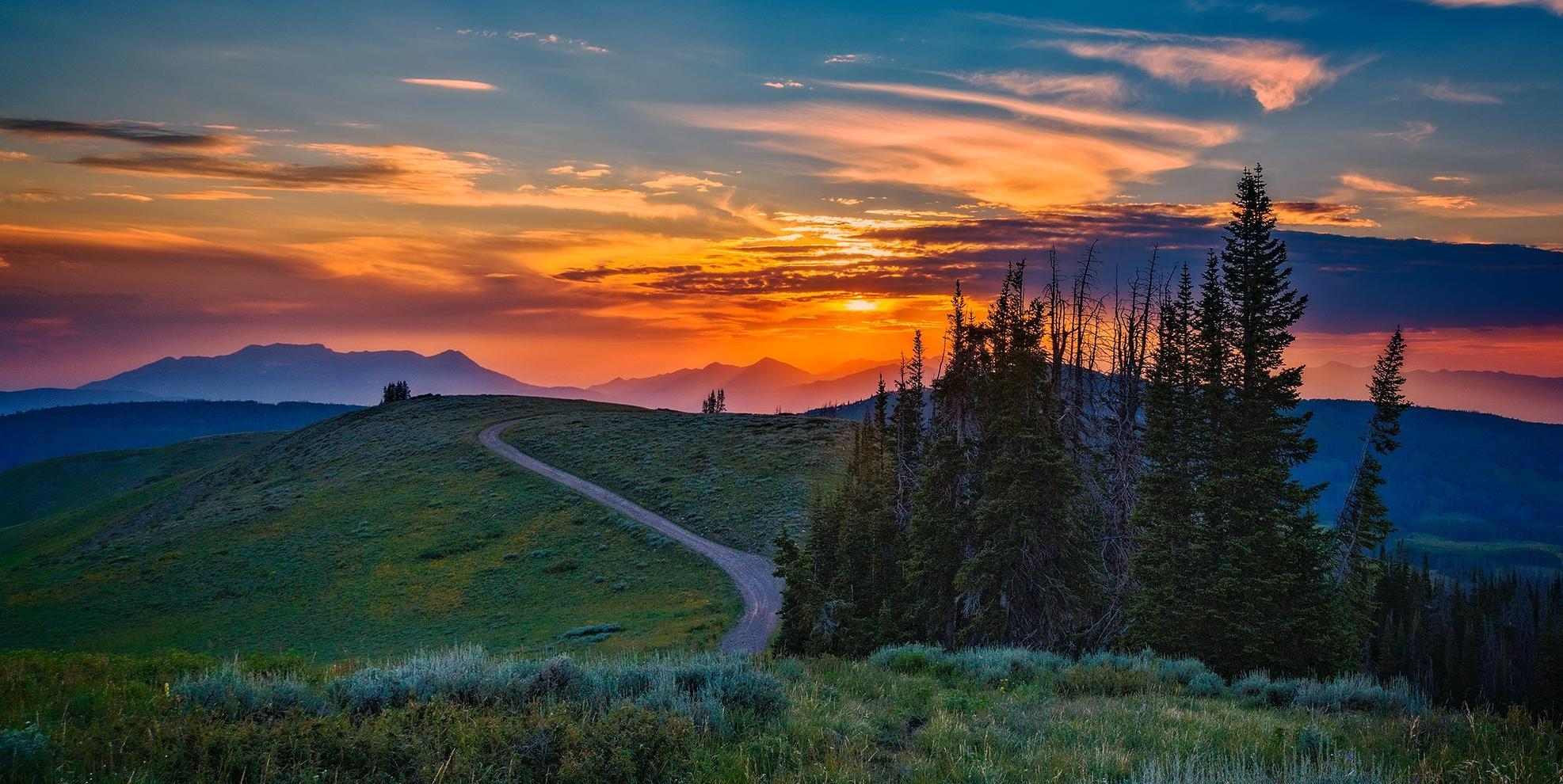
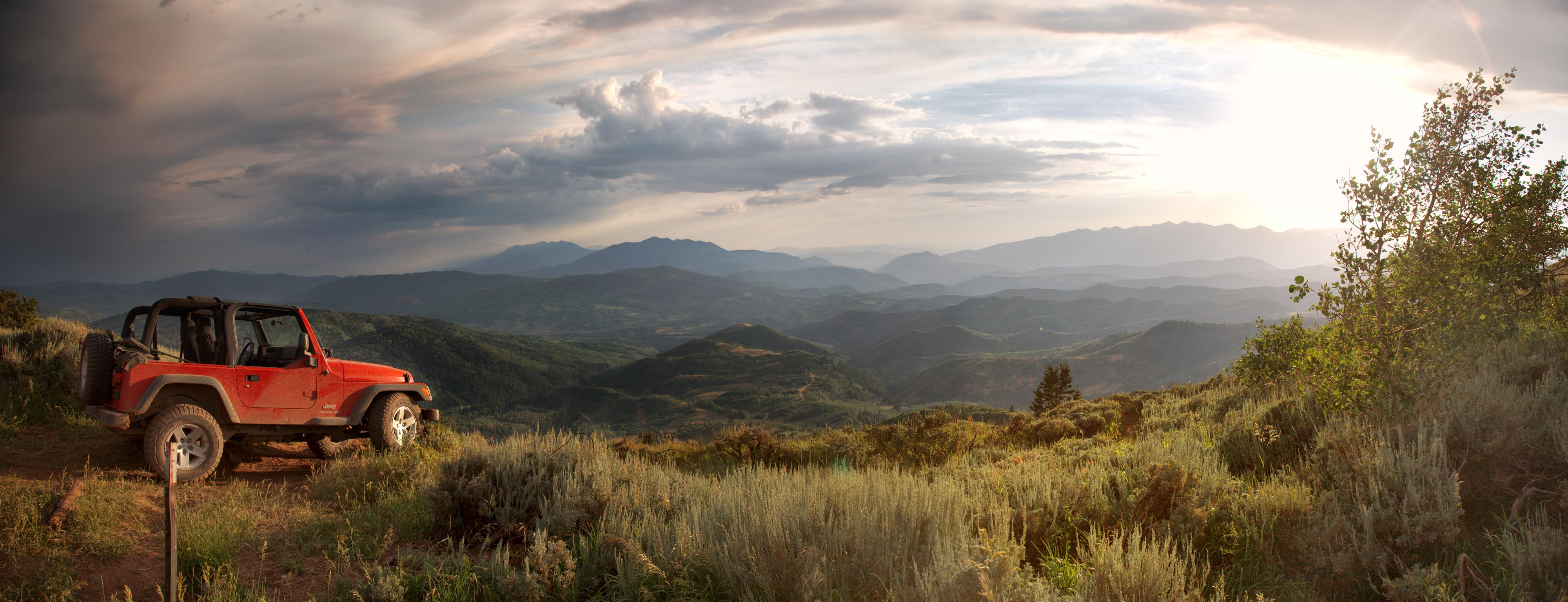
Nestled amidst the picturesque landscapes of Heber Valley lies a sanctuary of natural beauty, offering a haven for outdoor enthusiasts seeking solace and adventure. As we embark on journeys to explore the wonders of this pristine wilderness, it becomes imperative to tread lightly, preserving the sanctity of these wild spaces for generations to come.
Leave No Trace
The cornerstone of responsible outdoor recreation lies in adhering to the principles of Leave No Trace. Each principle plays a pivotal role in safeguarding the integrity of our natural habitats.
Leave what you find – including the beautiful flowers and plants
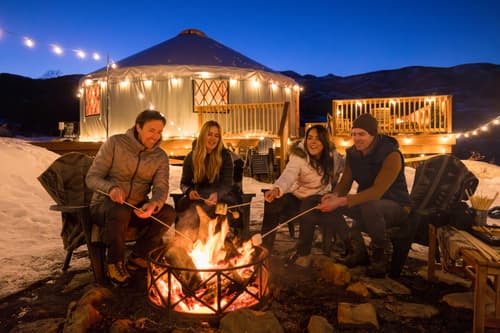
Minimize campfire impacts and know about fire restrictions in the area you are camping
Respect wildlife and give animals ample space
Always stay on the trail – life thrives in the soil around trails, so don’t kill it by walking on it
Be considerate of other visitors
Trail Etiquette
Most routes are shared by different recreators, and some trails are more populated throughout the year. Knowing courteous trail use and passage is key to ensuring everyone can enjoy the trails in a safe manner. Always be in control of yourself and your equipment. And slow down when approaching or overtaking others on the trails.
In general, downhill traffic yields to uphill traffic
Bikers yield to hikers
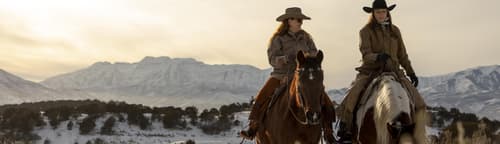
Bikers and hikers yield to equestrian animals and riders
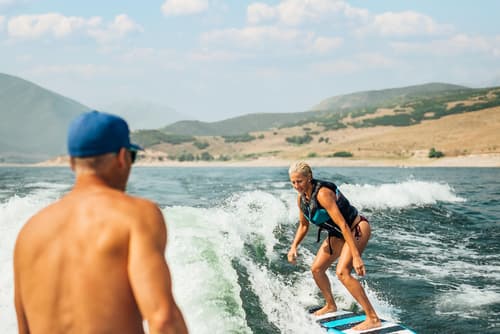
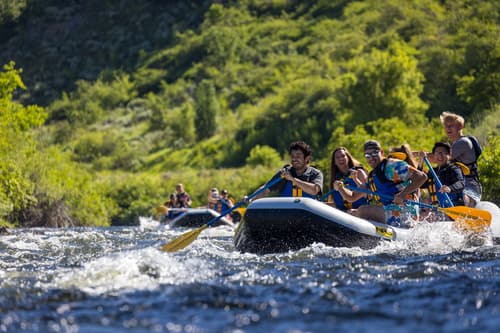
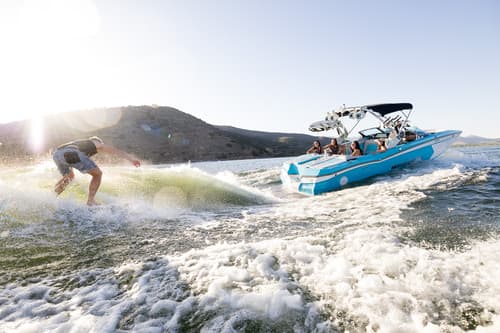
Life jacket: These save lives and are a must when on or in the water. Play safe this summer and wear a life jacket.
Sunblock: Our high-altitude valley means cooler summer temps, but also means greater likelihood for a sunburn. Don’t let the cold water fool you. Lather up before and during a day of water fun.
Bug spray: Although not a huge issue in comparison to warmer destinations, we do still have mosquitoes near areas of water.
Stay hydrated: Pack plenty of water for whatever fun activities you have planned and be sure to drink it up.
Fire Safety
Wildfires are a serious issue in the West. Many damaging wildfires start from human activity. Please be aware of the fire risk and confirm if fires are allowed in the area you are visiting. This can change daily during the hot, dry months of summer.
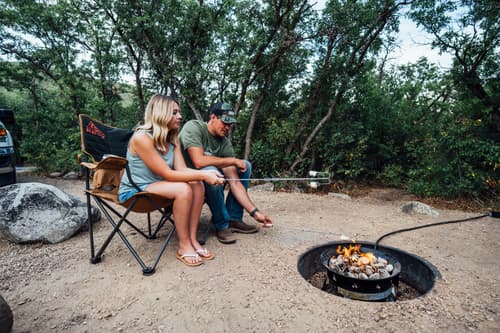
Tips for building and maintaining a safe campfire:
Use established rings or mounds, when available
Keep fires small and manageable
DO NOT burn garbage or anything other than wood – it is not good for the area environment
Never leave a fire unattended
Don’t put hot coals in dumpsters
Always completely extinguish your fire, including the hot coals
Once cool the next day, disperse cool coals to ensure no heat is remaining as wind can restart a fire long after you’ve left hot coals behind
Leave your fire pit and campsite cleaner than you found it by packing out everything you brought with you and picking up extra trash that may be in the area
General Smart Tips
Pay the fees: Know the areas you are visiting. Whether it be state parks, national monuments, forest service areas, or other fee-based destinations, be sure to pay for access and use.
Pack it in, pack it out: Or even better, leave it better than you found it. Do the good deed and pick up litter when you see it. This includes cleaning up after your pets.
Leave the wildlife alone: All too often we see the news reports on people who got too close to animals in the wild. Just don't do it. Admire and watch from afar.
Limited cell service: Reception can be spotty in the more remote areas. Stop by the Heber Valley Chamber Visitor Center (475 N Main St) during our open hours to obtain area maps and information, including GPS-based maps that will help guide you in areas where there is no cell service. And stop by the Forest Service Stations for additional information, if you need it for the Uinta-Wasatch-Cache National Forest or the Ashley National Forest.
Know the weather: Check the weather the day before and day of your planned trip and activities. Weather can change quickly in this area of the state.
Plan ahead: Check road conditions, road construction impacts, park capacity, etc. State parks update conditions on individual state park social media accounts. UDOT updates road conditions on its website.
The following “10 Essentials” list is handy for all types of adventures.
Navigation: compass, map, print, mobile – know where you’re going, know where you are, and know how to get to/from your destination.
Sun protection: sunblock, sunglasses, hats, and full- or partial-coverage UPF-rated clothing are all recommended.
Insulation: clothing and sleeping arrangements – the temperature can drop drastically in the upper elevations, even during the peak heat of the summer season. Pack extra layers and plan for cooler nighttime temps and sleeping conditions.
Illumination: bring a headlamp, flashlight, or camp light. If relying solely on your mobile device flashlight, be sure to have a way to recharge your device.
First aid: always, always, always have at least a basic first aid kit with supplies that are most likely to be needed for whatever activities you have planned. Accidents happen in the safest of environments, so be prepared to handle minor incidences, if they happen.
Fire materials: while most locations may have extra wood or pieces of already broken trees for a fire, be sure to at least pack matches or a lighter. We recommend that you take a fire starter substance and enough wood for your overnight stay. Taking from the surrounding campsite area can be damaging to the habitat of that area. Never cut down branches or parts of living trees as this is harmful to the area environment.
Repair kit and tools: if applicable for your activities, be sure to pack any tools that may be needed to repair or do basic maintenance.
Food: many forget the necessary items to accompany food such as a can opener, utensils, or even garbage bags. Think through all you will need to enjoy eating the food you’ve packed.
Hydration: people often need more water than they take, so don’t underestimate your water intake. Pack extra!
Emergency shelter: depending on your activity and duration, have a backup plan for inclement weather, especially if tent camping at higher elevations.
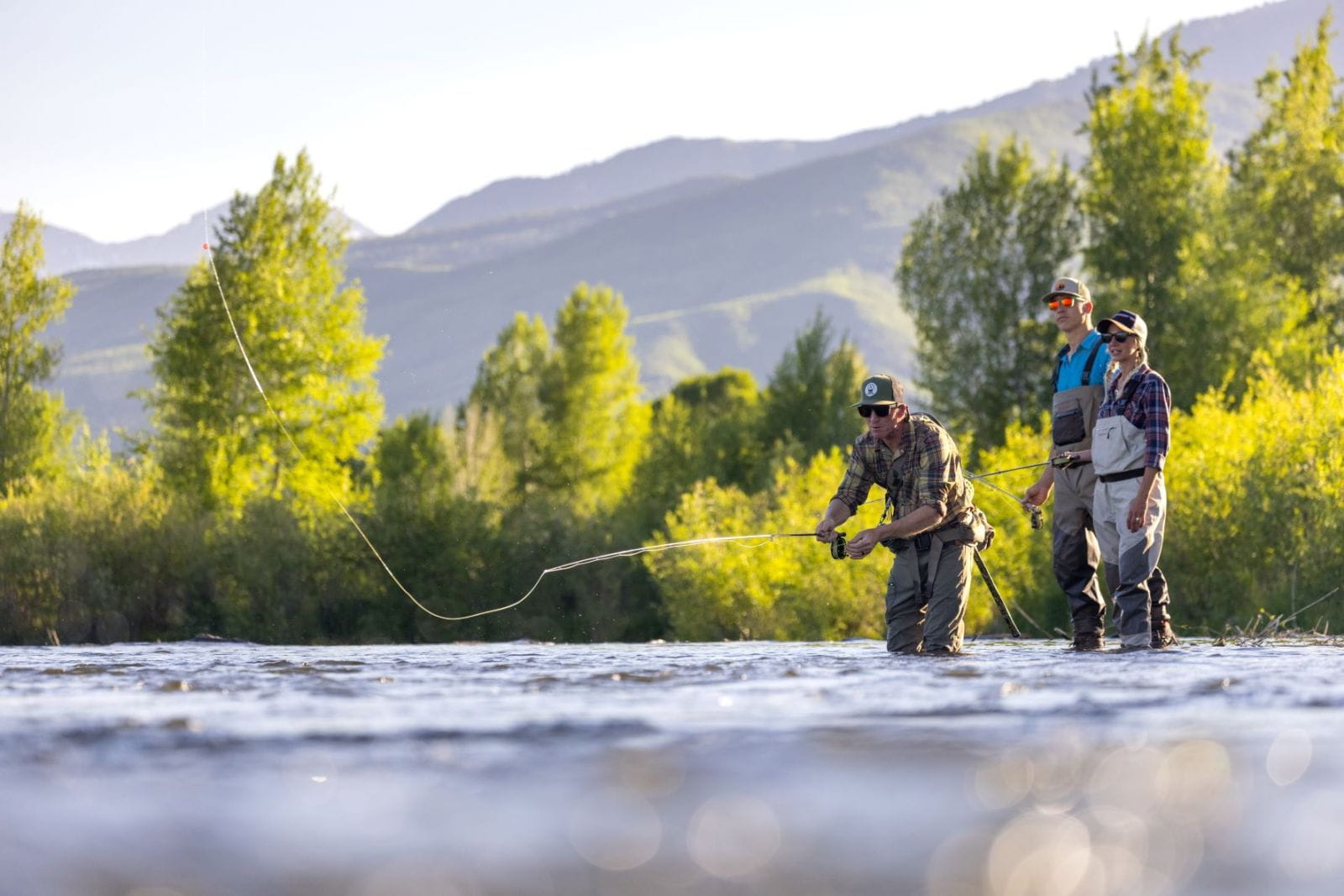
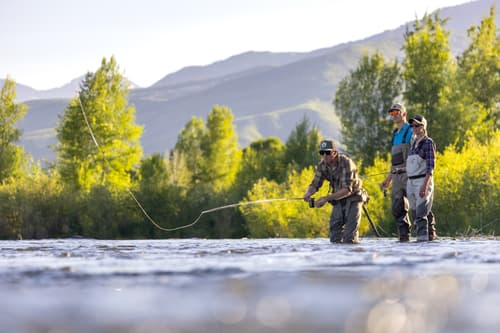
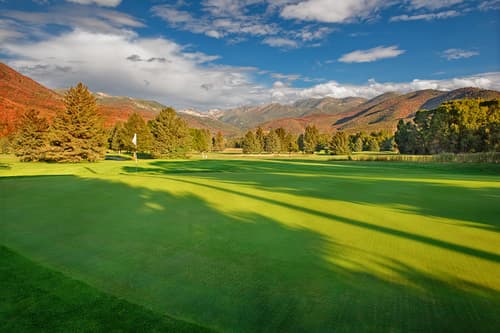
Located less than an hour from the Salt Lake City International Airport, a short 20 minutes from Park City, and a mere 30 minutes from the Provo/Orem area, the beautiful mountain town of Heber Valley, Utah is an outdoor recreation mecca unlike anywhere else in the world. Home to three expansive state parks with miles of pristine trails, three reservoirs for lake recreation, over 15 miles of prime fly fishing angling access, and surrounded by mountain vistas, our charming valley has become a distinguished destination for day trips as well as overnight stays. The summer calendar of events is jam-packed, leaving you with lots of options to fill your itinerary. Whatever your adventure, Heber Valley is the place to go!












 H: 102°